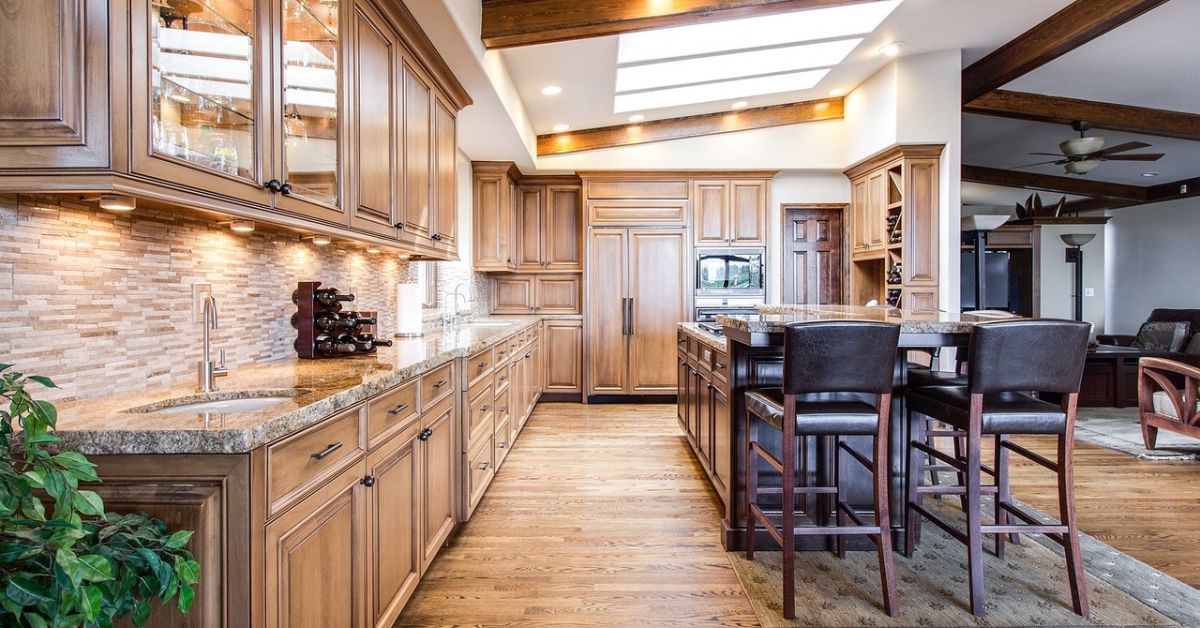
Understanding the risks associated with climate change can help homeowners make informed decisions about their properties.
Buying a home in 2024 requires careful consideration due to changing environmental factors. Prospective buyers need to look beyond traditional aspects like property value and school districts, considering climate risks as well before investing in a new family home or making significant purchases.
Zillow to Include Climate Change Data on Home Listings
As The Home Designer reports, Zillow will now provide climate change information and climate risk data on all home listings to address growing concerns among potential buyers. This data will focus on five key categories that present significant risks to communities in the United States: air quality, flooding, fires, extreme wind, and extreme heat.
Related Stories
Based on Zillow’s survey data, over half (55.5 percent) of new listings across the country are exposed to significant risks from extreme heat. This surpasses the one-third of homes facing major wind exposure threats, with about 16.7 percent at a high risk for wildfires. Additionally, 13 percent of recently listed homes nationwide are at a significant air quality risk, while just 12.8 percent are at risk for flooding. While these cities remain appealing for living and raising families, it’s crucial to factor in these risks when making a home purchase.
To better inform potential homebuyers, we are highlighting the five US cities most vulnerable to future hazardous climate events.
Sunny San Jose, California
Almost all new listings in August come with a significant air quality concern.
San Jose, California, faces air quality challenges due to city smog, pollution, and the looming threat of wildfires in the region. With over 98.5% of new homes listing this issue, it’s essential for residents to take proactive steps. To combat the air quality issues, residents are advised to consider using air purifiers, regularly maintain and replace vent filters, and upgrade to weathertight windows and doors to improve indoor air quality and overall living conditions.
Riverside, CA
70.5% of all new listings in August had a significant fire hazard.
California has experienced a tenfold increase in wildfires in recent years, attributed to factors like rising temperatures, strong winds, and reduced rainfall. In Riverside, located west of Los Angeles, more than 70% of newly listed homes on Zillow come with a major fire risk warning. The presence of Santa Ana winds in Riverside accelerates the spread of fires in the area.
New Orleans, LA
76.8% of all new listings in August were identified with a significant flood hazard.
Rising sea levels are impacting coastal areas nationwide, with New Orleans being particularly vulnerable. A staggering 76 percent of homes in this city come with a warning about major flood risks. While some properties have been raised or designed with foundations above the base flood elevation, the threat remains a significant consideration for prospective buyers.
Baltimore, MD
Nearly all new listings in August (97.9%) pose a significant heat risk.
Despite not being commonly associated with extreme heat, Baltimore is experiencing rising temperatures like many other cities in the US, even along the Eastern Seaboard. Approximately 98% of homes for sale in this area come with a heat risk alert, leading to increased utility costs, particularly in electricity bills, added pressure on power systems, and elevated temperatures year-round, not just in the summer.
Virginia Beach, VA
An overwhelming 97.7% of recent property listings in August faced significant wind-related risks.
Coastal areas like Virginia Beach, VA, are particularly susceptible to strong winds due to the absence of structures and natural barriers to hinder these powerful forces. In Virginia Beach, a staggering 97.7% of newly listed homes are at risk of extreme wind conditions, potentially leading to accelerated erosion of sandy or loose soils.