It’s simply not accurate.
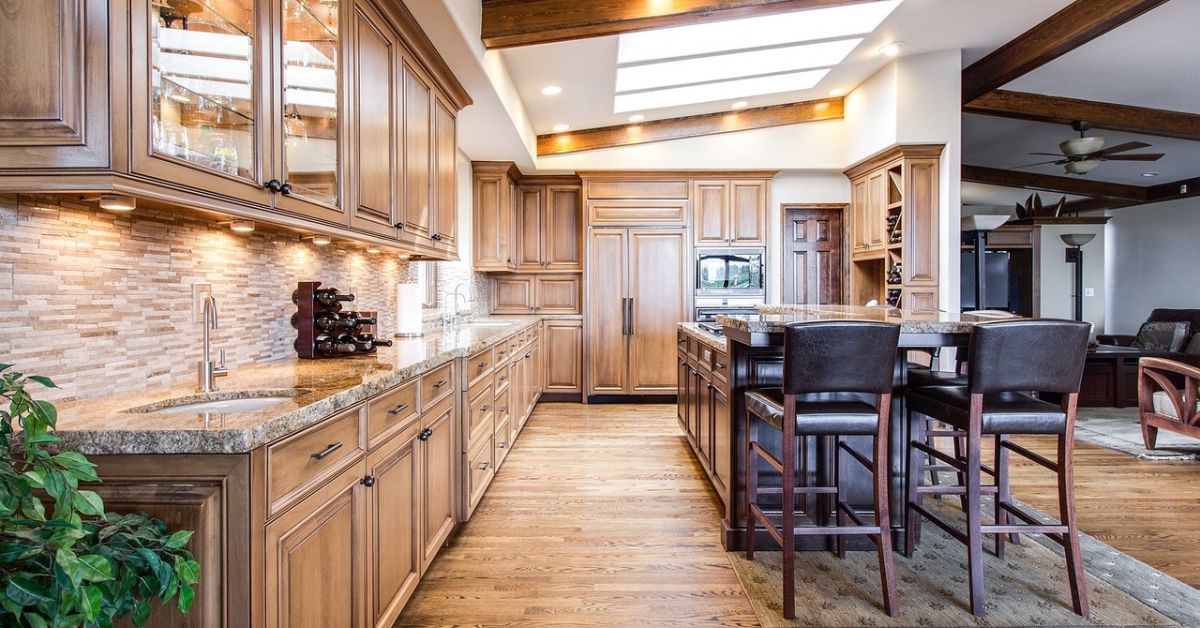
If you’ve been keeping up with design trends in recent years, you may have seen headlines claiming “Millennials Have No Taste for Brown Furniture,” or “Younger Generations Reject Their Parents’ Antiques,” or even “Millennials Have Put an End to Antiques.” These accusations, along with others like the decline of Applebee’s, canned tuna, and home ownership, have been attributed to my generation. However, as a millennial deeply involved in the design industry and someone who proudly owns various antique pieces, I can confidently say that this narrative is largely unfounded.
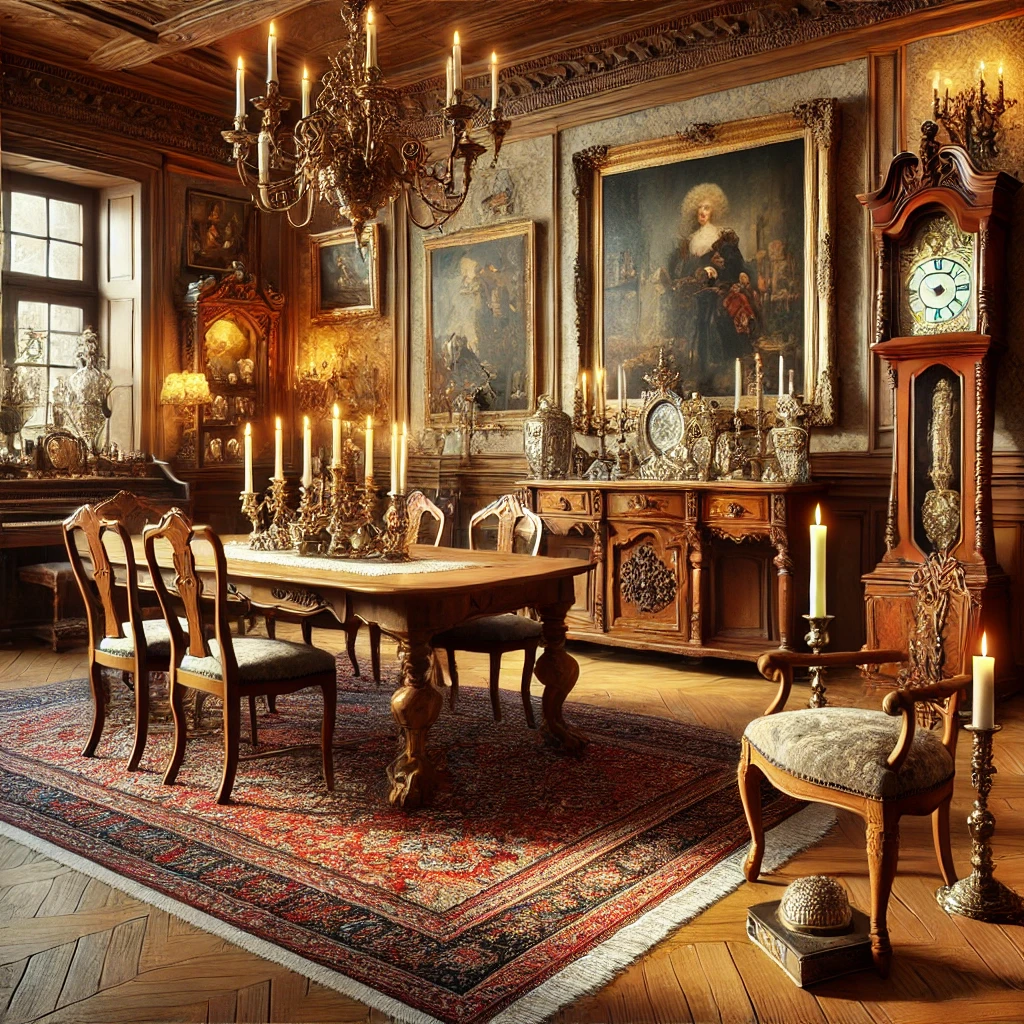
Last month, a colleague of mine discussed the emergence of “Grandmillennials,” a term used to describe individuals aged 25-40 who have a preference for traditional items like chintz fabrics over modern chrome, and who appreciate using heirloom china passed down from their grandparents. This discussion sparked an online conversation among those who share a similar love for ornate antiques.
Panel Discussion
This weekend, I participated in a panel at the AADLA Fine Art & Antiques Show with well-respected antique enthusiasts from my generation. The panel included interior designer Caleb Anderson of Drake/Anderson, fashion designer Adam Lippes, and design experts Michael Diaz-Griffith and Emily Evans Eerdmans. The topic of discussion was “The New Connoisseurs: Collecting with Personal Style,” focusing on how young individuals engage with antiques.
Insights on Generational Attitudes
During the panel, Michael Diaz-Griffith shared a provocative viewpoint, highlighting that the older generation, specifically Gen Xers, often disregarded their parents’ furniture, opting for modern trends like gray and beige tones. This shift in preferences showcases a divergence between generations in their approach to antiques.
Embracing Change in Home Decor Trends
In past decades, homes were characterized by beige tones and open floor plans, dismissing formal dining areas and fine china. However, the younger generation, contrary to popular belief, is now valuing cooking, dining, and entertaining at home. This shift is evident in the growing popularity of meal delivery kits and the thriving foodie culture, amplified by platforms like Instagram where showcasing culinary skills has become a trend.
The Influence of Social Media on Home Decor
Young individuals today are keen on displaying their cooking prowess and their living spaces on social media. A curated and personalized home interior serves as a more engaging backdrop for their social media feeds compared to the conventional beige rooms with mass-produced furniture.
Sustainability and Vintage Furniture
In addition to social media influence, sustainability is a driving factor in the preference for vintage furniture among the younger demographic. With a heightened awareness of environmental impact, the younger generation values repurposing preloved furniture as a more eco-friendly option. Giving old furniture pieces a new life through reupholstering adds a unique touch to home decor while also contributing to sustainability efforts.
Embracing Antiques in the Digital Age
Kelly Maguire, an antiques dealer at Modern Antiquarian, believes that her age group values moral considerations when shopping. Collaborating with Margaret Schwartz, who is 35 years old, they both appreciate items with a story behind them. Many brands are now highlighting the makers of their products to appeal to a younger and more discerning audience.
Online shopping has become increasingly popular among young consumers. Lippes noted that platforms like 1stdibs and online auctions have revolutionized the way people interact with antiques. The digital medium provides a safe space for browsing, especially for those who might feel intimidated in traditional auction houses.
While digital platforms offer convenience, Anderson emphasizes the importance of shopping in person to deepen one’s knowledge and uncover unique stories. Overcoming the initial intimidation by asking questions is key to learning and growing in the world of antiques.
Asking questions leads to confidence, enabling individuals to curate interiors that reflect their personal style and creativity. This confidence translates into spaces that are truly distinct and worthy of showcasing on social media platforms like Instagram.
Embracing Antiques in a Modern Way
Contrary to popular belief, the younger generation does not harbor a distaste for antiques; instead, they seek to incorporate them in a personal manner that resonates with their style. The key is to integrate antiques into contemporary living spaces seamlessly, without feeling patronized during the shopping process.